
There is a common assumption that any sandwich shop is fundamentally the same as the next, often treated as a generic stop for a quick lunch. However, the reality of high-quality food service is significantly more nuanced. The difference between an average meal and a truly satisfying one often depends on factors that go well beyond the menu board. When you are looking for a reliable place to order lunch for a team, a family event, or simply a consistent go-to, the details of how a kitchen manages its ingredients and service can make all the difference.
Why Assumptions About Uniformity Often Lead to Disappointment
Many people approach selecting a sub shop as a low-stakes decision, assuming that the standardization of the industry guarantees a uniform experience regardless of where they go. While it is true that many establishments follow similar logistical templates, this mindset often overlooks the significant variations in ingredient quality, preparation technique, and assembly consistency.
A professional kitchen typically distinguishes itself not by its menu variety, but by its commitment to the fundamentals of food handling. For instance, the way a provider sources fresh produce or manages the fermentation and baking cycles of their bread significantly impacts the final result. When a shop treats assembly as a craft rather than a speed-driven task, the structural integrity of the meal tends to remain intact from the first bite to the last. Recognizing that these variations exist is the first step toward finding a place that consistently meets your expectations.
What Actually Matters When Evaluating a Provider
When assessing potential options for a catered event or a regular weekday lunch, it is helpful to look past the branding and focus on what typically dictates the quality of the output. The most important indicators of a reliable sandwich shop often involve how they balance speed with careful preparation.
The Role of Ingredient Integrity
The quality of a meal is rarely better than the quality of its components. A thoughtful provider often prioritizes sourcing, ensuring that the meat, cheeses, and vegetables are handled in ways that preserve their freshness. When speaking with a provider, consider asking how they maintain the temperature and crispness of their produce throughout their busiest hours. A kitchen that takes clear measures to keep ingredients vibrant typically produces a better end product.
Consistency in Assembly
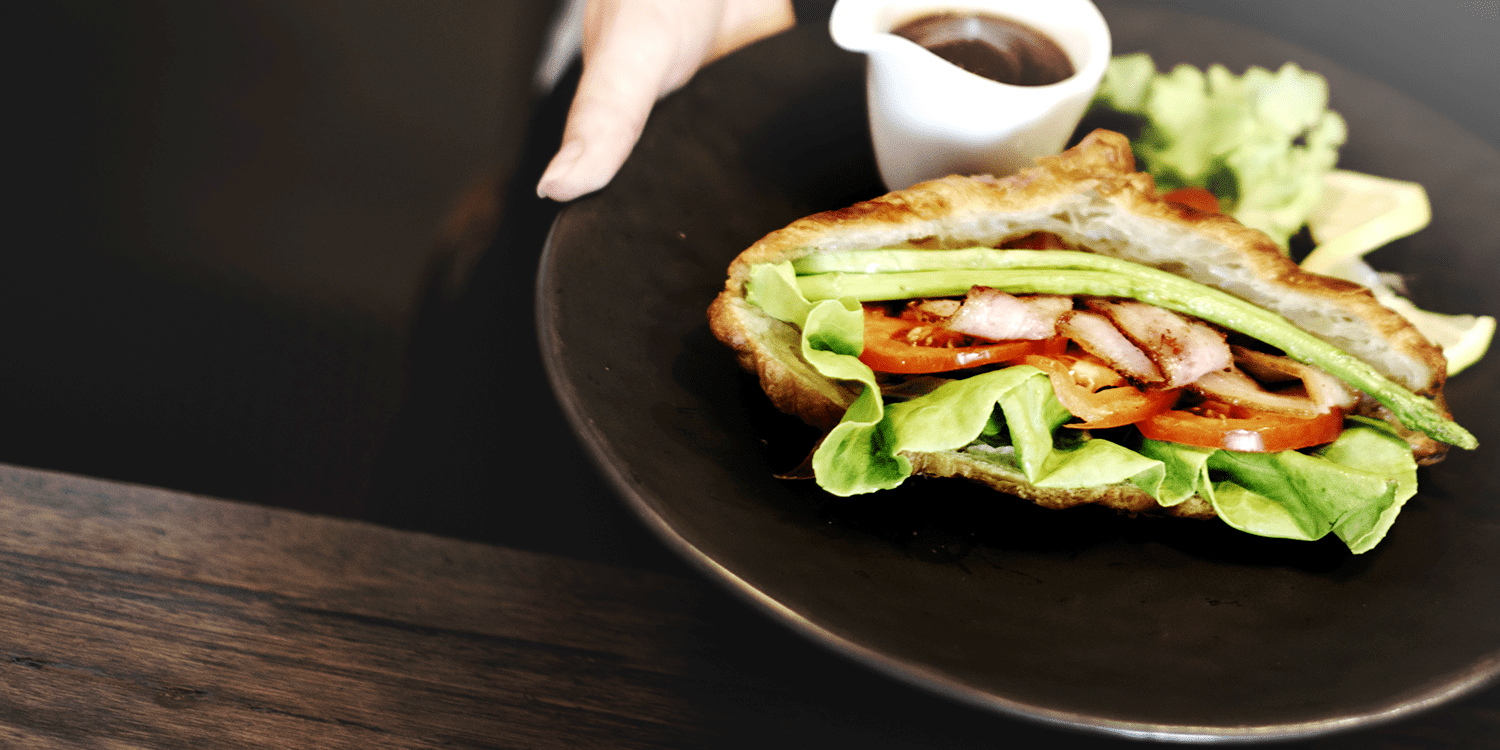
An expertly crafted meal is more than a list of ingredients; it is about the architecture of the assembly. A sub shop that trains its staff to layer items in a way that prevents sogginess or structural failure demonstrates a level of operational maturity that is essential for larger orders. You want a provider that understands the mechanical requirements of their food—such as which ingredients should be placed against the bread and which should be insulated by other layers—to ensure that your order arrives in the condition you expect.
How to Discern Quality in a Competitive Market
Identifying a consistent provider requires a bit of practical observation. Instead of relying on marketing materials, pay attention to the operational rhythms of the shop when you visit. Are the staff members systematic in their preparation? Is the workspace organized in a way that minimizes cross-contamination and wait times? These visual cues are often indicative of a well-managed operation.
Furthermore, consider how the staff handles questions about their preparation methods. A provider that is knowledgeable about their bread sourcing or their vegetable prep schedule is typically one that cares about the result. If you are ordering for a group, ask how they manage the logistics of large-scale assembly to ensure that the quality of the fiftieth meal matches the quality of the first. Their ability to articulate a clear process for maintaining consistency under pressure is often the best indicator of their reliability.
Reframing How to View Your Local Lunch Options
Moving away from the assumption that all sandwich providers are identical allows you to appreciate the care that goes into a truly good meal. When you shift your perspective, you begin to see a sub shop as a partner in your planning rather than just a place to pick up food. Whether you are hosting a casual office lunch or seeking a reliable option for weekend family meals, the criteria for success remain the same: freshness, structural consistency, and a well-managed process.
By prioritizing these elements, you can transform a routine task into an experience that consistently satisfies your needs. It is worth taking the time to evaluate a few local options before committing to a routine provider, as finding one that aligns with your standards for quality and service can significantly simplify your planning for future gatherings. Ultimately, the most successful choice is the one that minimizes the stress of organization and maximizes the enjoyment of the meal itself.